Hardwood plywood is one of the most versatile sheet materials available, which is why you will find it being used across everything from furniture and joinery to flooring, roofing and general construction.
But is hardwood plywood suitable for outdoor use? The short answer is yes, certain types of hardwood plywood can be used outside, but you need to choose the right grade for the conditions it will be exposed to.
The fact that a sheet is described as hardwood plywood does not automatically mean it is waterproof or suitable for permanent exposure to rain. Its construction, bonding quality, classification and intended use all need to be taken into consideration before using it outdoors.
Whether you are planning a construction project, repairing an outbuilding or simply choosing sheet material for your next job, understanding these differences can save you from replacing damaged boards further down the line.
What You'll Find In This Guide
There is more to choosing plywood than simply picking the right sheet size and thickness. Before using hardwood plywood outdoors, it is worth understanding how the material is made, what level of moisture it can handle and how to protect it properly.
In this guide, we will cover:
Before deciding whether hardwood plywood is right for your project, it helps to understand exactly what the material is and how its construction affects its performance.
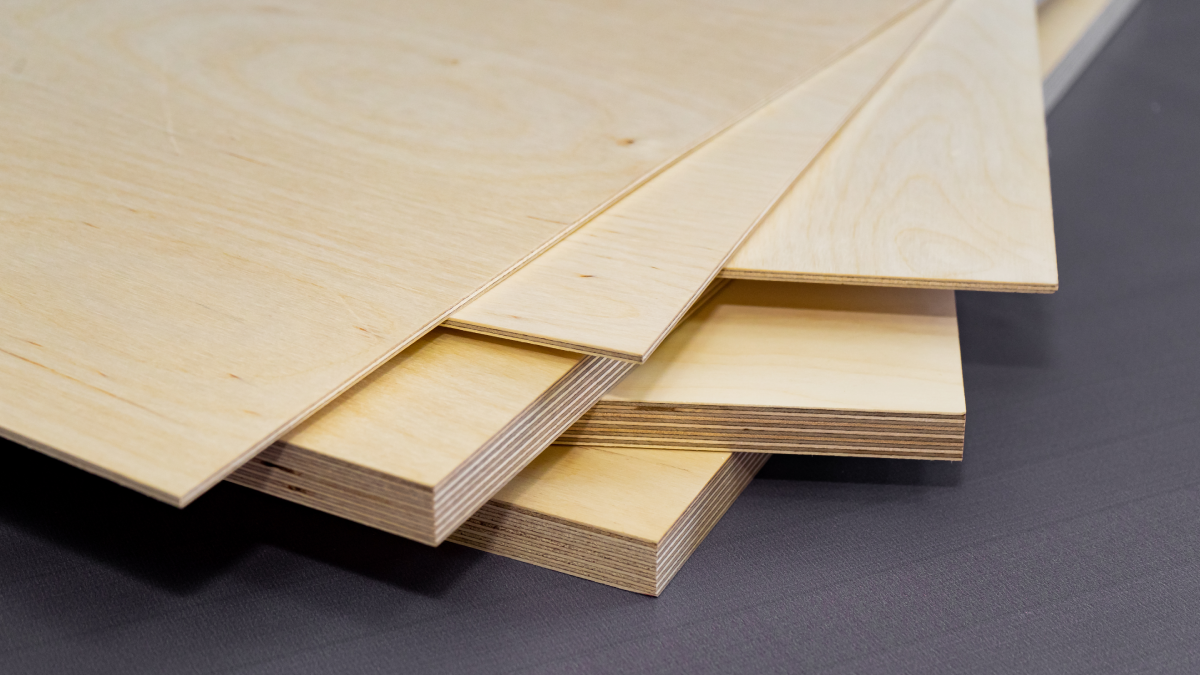
Hardwood plywood is an engineered timber sheet material made by bonding multiple thin layers of timber, known as veneers, together. Each layer is normally positioned so that the grain runs in a different direction to the layer next to it. This cross-laminated construction gives plywood much of its strength and dimensional stability.
Instead of relying on one solid piece of timber, the layered structure helps spread strength across the entire board. It can also reduce the likelihood of splitting, twisting or significant movement compared with certain types of solid timber.
Hardwood plywood typically uses hardwood veneers, either throughout the sheet or on its outer faces depending on the particular product. It is popular with builders, joiners, carpenters and DIYers because it offers a useful combination of strength, workability and appearance. Its relatively smooth surface can also make it suitable for applications where the finished appearance matters.
Hardwood plywood is available in a variety of thicknesses. Thinner sheets may be used for lightweight construction, linings or decorative work, while thicker sheets can provide the additional rigidity required for flooring, roofing and other construction applications.
One important point to remember, however, is that hardwood does not automatically mean waterproof. The term hardwood primarily relates to the timber used in the board. It does not, by itself, tell you whether the adhesive holding the veneers together has been designed to withstand prolonged moisture or exterior conditions.
This is why checking the plywood specification is essential. In the UK, BS EN 636 is commonly used to classify plywood according to its intended conditions of use. Broadly, EN 636-1 covers dry conditions, EN 636-2 covers humid conditions and EN 636-3 covers exterior conditions. The bonding quality of plywood is also important and is covered separately by BS EN 314-2.
Understanding these classifications becomes particularly important when you intend to use the board somewhere that could be exposed to moisture or changing weather conditions.
Yes, hardwood plywood can be used outside, providing the specific board has been manufactured and classified for the conditions it will face. The first thing to consider is how exposed the plywood will actually be.
There is a big difference between plywood installed beneath a roof covering, behind exterior cladding or within a sheltered structure and plywood that will regularly be exposed directly to rain. A board suitable for humid conditions may be suitable for certain protected exterior applications where occasional moisture is expected.
For more demanding environments involving repeated exposure to rain and weather, plywood designed specifically for exterior conditions will normally be required. This is why you should never decide whether plywood is suitable for outdoor use based on its appearance alone. Check the product description and technical information and make sure the board is appropriate for the intended application.
It is also important not to confuse hardwood plywood with marine plywood. Marine plywood is manufactured to meet more specific requirements for applications where a high level of moisture resistance is required. Hardwood plywood is a much broader category, and individual boards can have very different levels of resistance to moisture.
That does not mean marine plywood is necessary for every outdoor job. For many construction projects, appropriately specified exterior plywood may be perfectly suitable. The main consideration should always be the actual environment the board will be installed in.
Ask yourself whether the board will be sheltered, how often it could become wet, whether water could sit on its surface and whether the edges will be exposed. If you are purchasing plywood alongside other
Building supplies Croydon, it is worth considering the whole project at the same time so you can choose the correct timber, fixings, adhesives and protective products alongside the board.
Choosing the right plywood from the beginning is far easier than having to replace boards later because moisture has caused swelling, deterioration or separation between the veneers. Once you have selected a suitable board, protecting it correctly can make a considerable difference to its lifespan.
Using the correct type of plywood is important, but so is the way it is installed and protected. Even plywood designed for exterior conditions will generally perform better when unnecessary exposure to moisture is reduced.
One of the most important considerations is drainage. Where possible, plywood should be installed in a way that prevents rainwater from sitting on the surface for extended periods. The surrounding construction should allow water to drain away rather than creating areas where moisture can collect.
Edges also deserve particular attention. When plywood is cut, fresh edges are exposed. Depending on the board and its intended application, these areas may need to be protected using a suitable exterior-grade paint, primer, sealant or other protective coating.
The same applies to drilled holes and fixing points where moisture could potentially enter the board. A suitable exterior finish can also help protect the face of the plywood, although you should always check the manufacturer's instructions before choosing a treatment, as different products may require different approaches.
Good ventilation can also be important. If moisture gets behind a plywood sheet and cannot escape, the board may remain damp for longer than necessary. Proper detailing that allows airflow and drainage can therefore help improve long-term performance.
Where possible, exterior plywood should also be kept away from prolonged direct contact with damp ground or standing water. Regular maintenance should not be overlooked either, as paints, coatings and sealants can deteriorate over time. If plywood forms part of a permanent exterior structure, it is worth inspecting the surface periodically and renewing protective finishes where required.
Proper protection cannot turn unsuitable interior plywood into an exterior-grade product. You should always begin with a board suitable for the environment and then use appropriate protection to help maintain it.
With the right specification and installation, hardwood plywood can be used for a wide range of different applications.

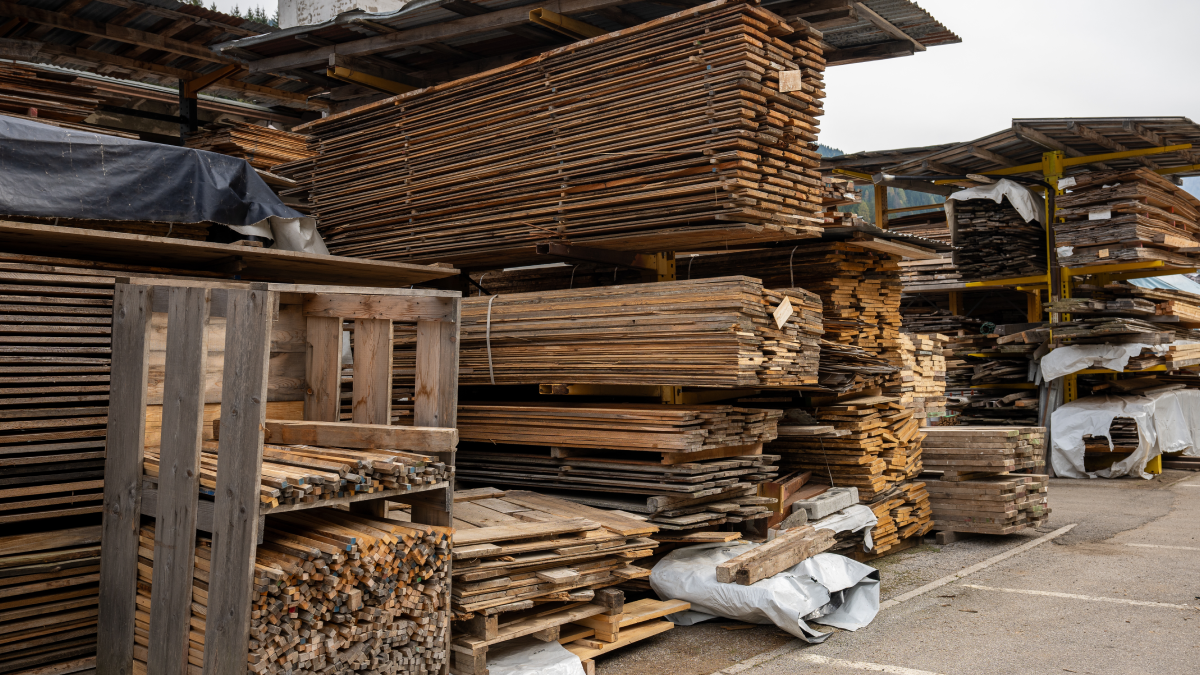
Hardwood plywood is popular largely because of its versatility. Its layered construction provides a useful balance between strength, stability and workability, making it suitable for builders, carpenters, joiners and DIY users across a wide variety of projects.
Indoor uses for hardwood plywood
Indoors, hardwood plywood is commonly used for furniture, shelving, cabinets and general joinery. Its relatively smooth face can provide a good base for painting, finishing or decorative applications, depending on the grade of plywood being used.
It can also be used for partitions, wall linings, flooring and other general construction work. The thickness you need will depend on the job, with thinner sheets often suitable for decorative panels and lightweight linings, while flooring and more demanding applications may require a thicker board for additional strength and rigidity.
For structural work, you should always follow the project specification rather than choosing a board based purely on thickness or price. Hardwood plywood can generally be cut, drilled and fixed using standard woodworking tools, with the right screws and fixings helping to secure the material correctly for the application.
Outdoor uses for hardwood plywood
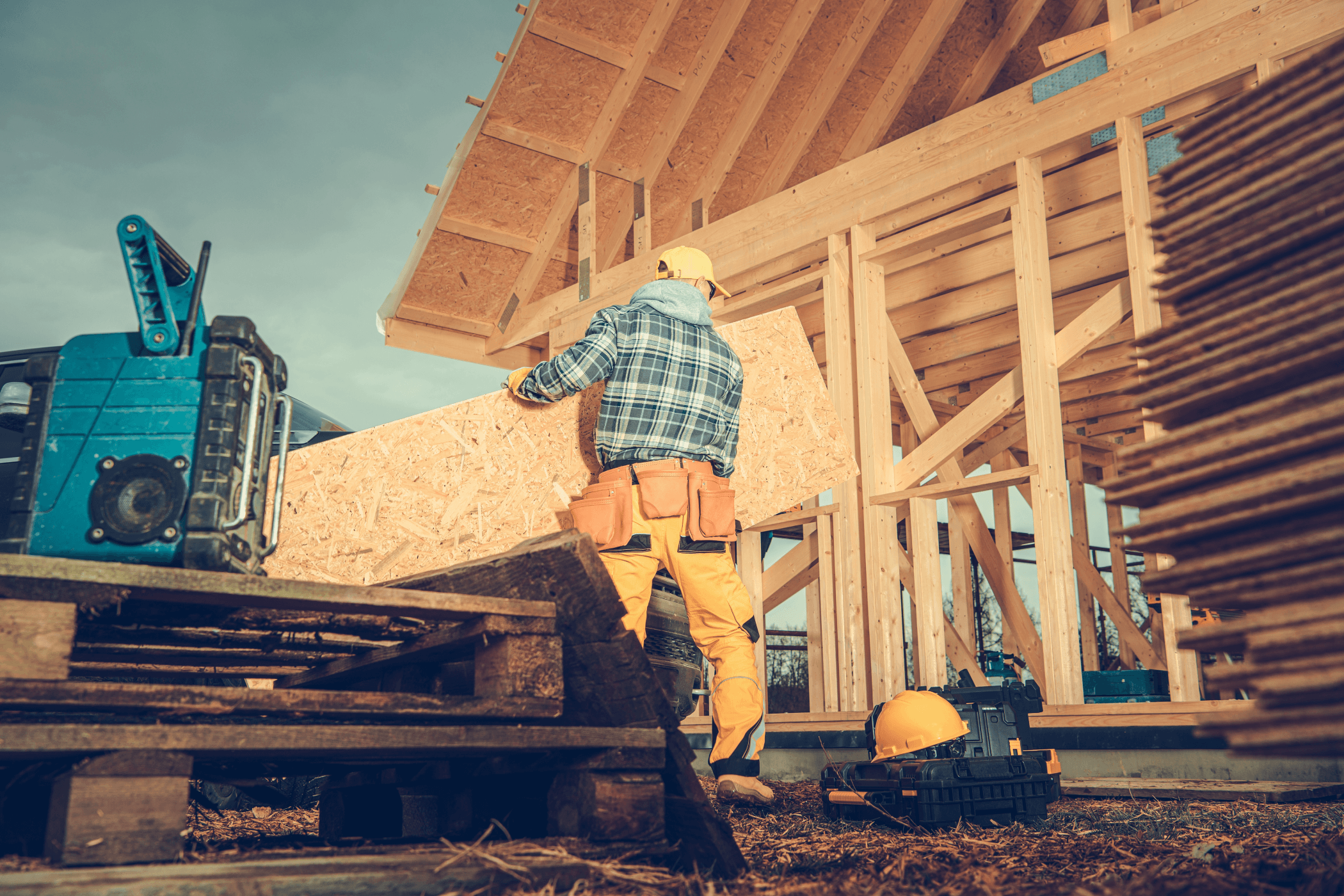
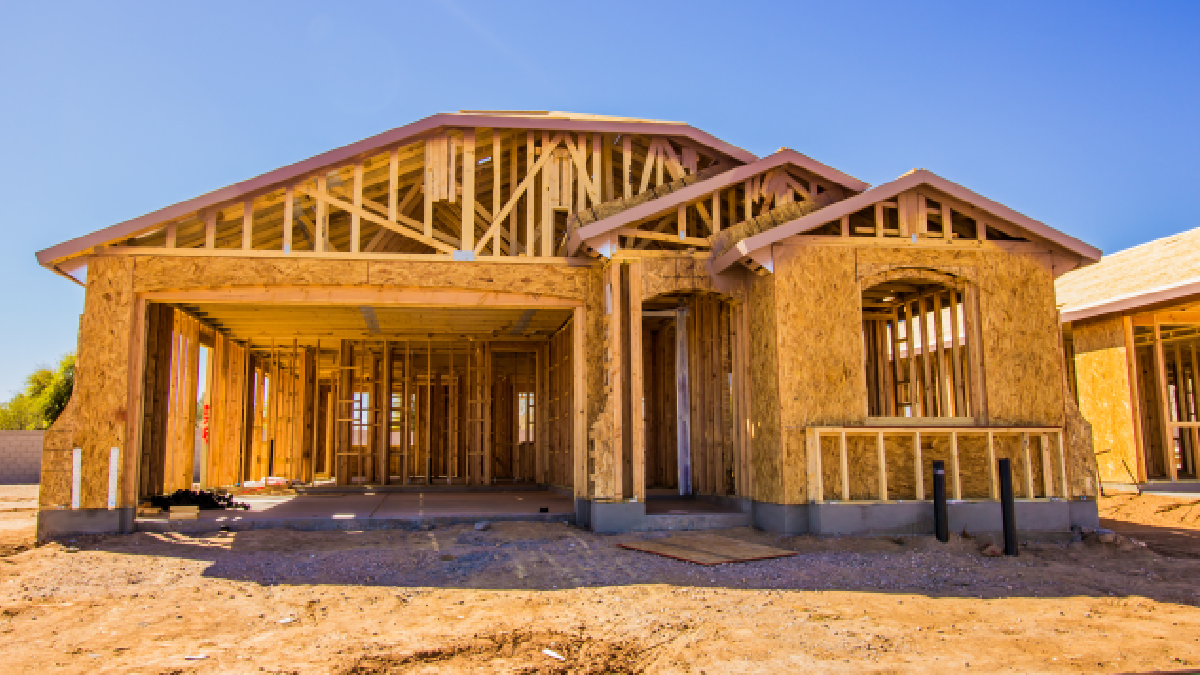
When a suitable exterior grade is selected, hardwood plywood can also be used for outdoor and semi-exposed applications. This can include roofing, outbuildings and other construction projects where the board may experience moisture.
The key is choosing plywood with the correct specification for the level of exposure involved. A sheet used beneath a roof covering will face very different conditions to one that is regularly exposed to rain, so the intended use should always be considered before choosing a board.
Support spacing, expected loads, ventilation and protection from moisture should also be taken into account. For exterior work, the correct grade of plywood should be combined with suitable detailing and protection to help it perform as intended.
Plywood is not the only sheet material available, so it is worth comparing your options before buying. OSB is commonly used for applications such as structural flooring, roofing and timber construction, while MDF provides a smooth, consistent surface that makes it popular for furniture, cabinetry and interior joinery.
The right choice depends on what you need from the board. If appearance is important, hardwood plywood may be preferable to some other structural sheet materials. If moisture resistance or structural performance is the priority, the product specification becomes particularly important.
There is rarely one sheet material that is best for every job. Comparing the intended use, finish, strength and level of moisture exposure will help you choose a board that is suitable for the project rather than simply selecting one based on price.
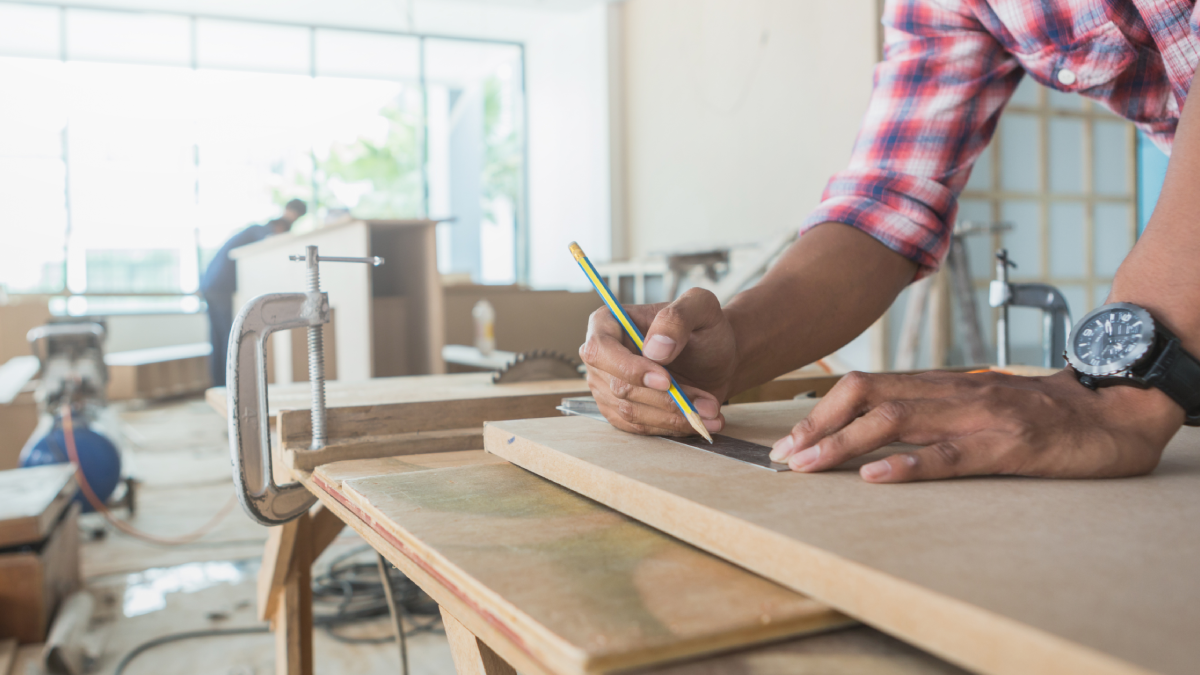
The answer to how much does plywood cost? depends on several factors. Thickness, sheet size, timber type, quality, grade and intended use can all affect the final price.
In general, thicker sheets will cost more because more material is required to manufacture them. Plywood manufactured to meet specific exterior or structural requirements may also cost more than a basic sheet intended only for dry interior use.
Mitcham Builders Merchants stocks hardwood exterior plywood in a range of thicknesses, allowing customers to select a board appropriate for the requirements of their project rather than simply buying the thickest sheet available.
Because timber and building material prices can change, it is always better to check the current price when you are ready to order rather than relying on an old price guide.
Price per sheet should not be the only consideration either. A cheaper plywood that is not designed for the intended environment can ultimately cost much more if it deteriorates and has to be removed and replaced. You should therefore consider the specification, expected lifespan and requirements of the project alongside the initial price.
Availability can also matter. If plywood is needed urgently to keep a job moving, having the right thickness and grade available locally may be more valuable than saving a small amount by purchasing a less suitable alternative elsewhere.
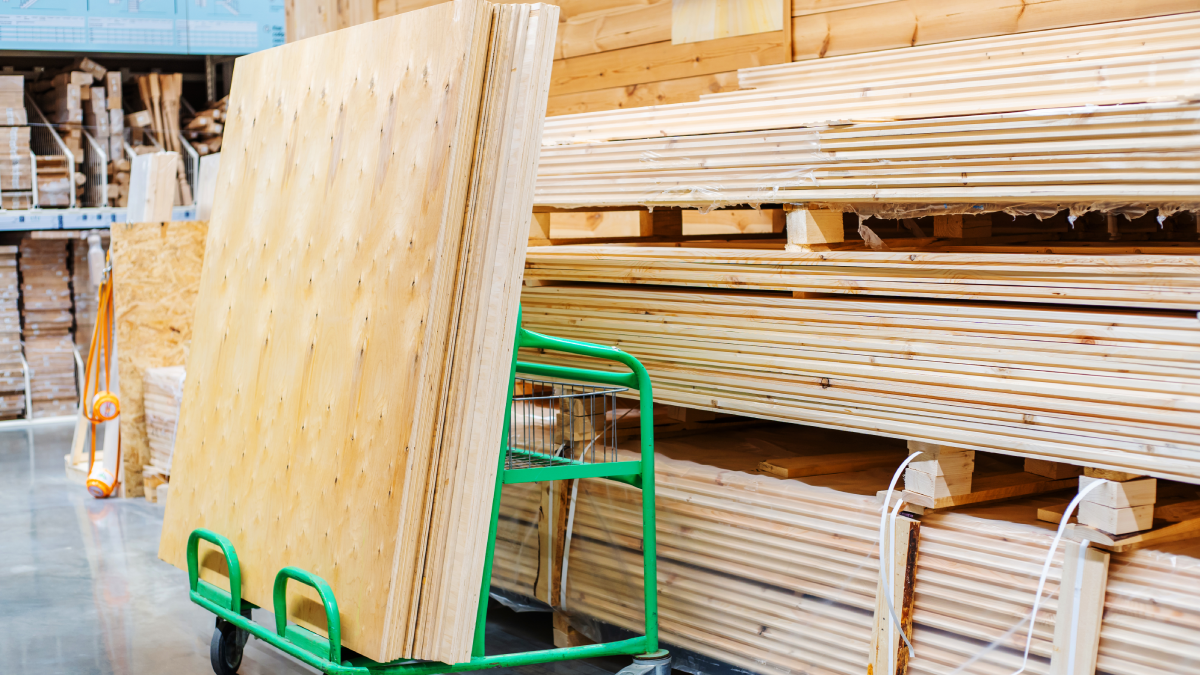
Delivery should also be factored into the overall cost, particularly when ordering multiple 8ft x 4ft sheets that may be difficult to transport yourself. When ordering plywood as part of a larger construction project, purchasing timber, fixings, adhesives and other materials together can make organising your job much easier.
Ultimately, the right plywood is the board that meets the requirements of your project rather than simply the cheapest sheet available.
So, is hardwood plywood suitable for outdoor use? Yes, it can be, providing you choose plywood manufactured for the level of moisture and weather exposure involved. Check the specification first, consider where the board will be installed and make sure exposed edges and surfaces are properly protected where required.
Mitcham Builders Merchants stocks hardwood exterior plywood alongside timber, fixings, tools and a wide range of other construction materials.
As one of the established
Builders merchants in South London, Mitcham Builders Merchants supplies both trade and public customers with the materials needed for projects of all sizes.
Browse the range online or visit Mitcham Builders Merchants to speak to the team about finding the right plywood and building materials for your next job.